The Hidden Risk of Facebook Marketplace (And How to Avoid Getting Scammed)
Local marketplaces were built for convenience, but they created a trust problem. Here's how to protect yourself.
Local marketplaces like Facebook Marketplace were designed for convenience. But they created a trust problem nobody fixed.
Every time you buy from a stranger, you're asking yourself the same questions: Should I send money first? Should I meet this person? What if the item isn't what they said?
How a Typical Scam Plays Out
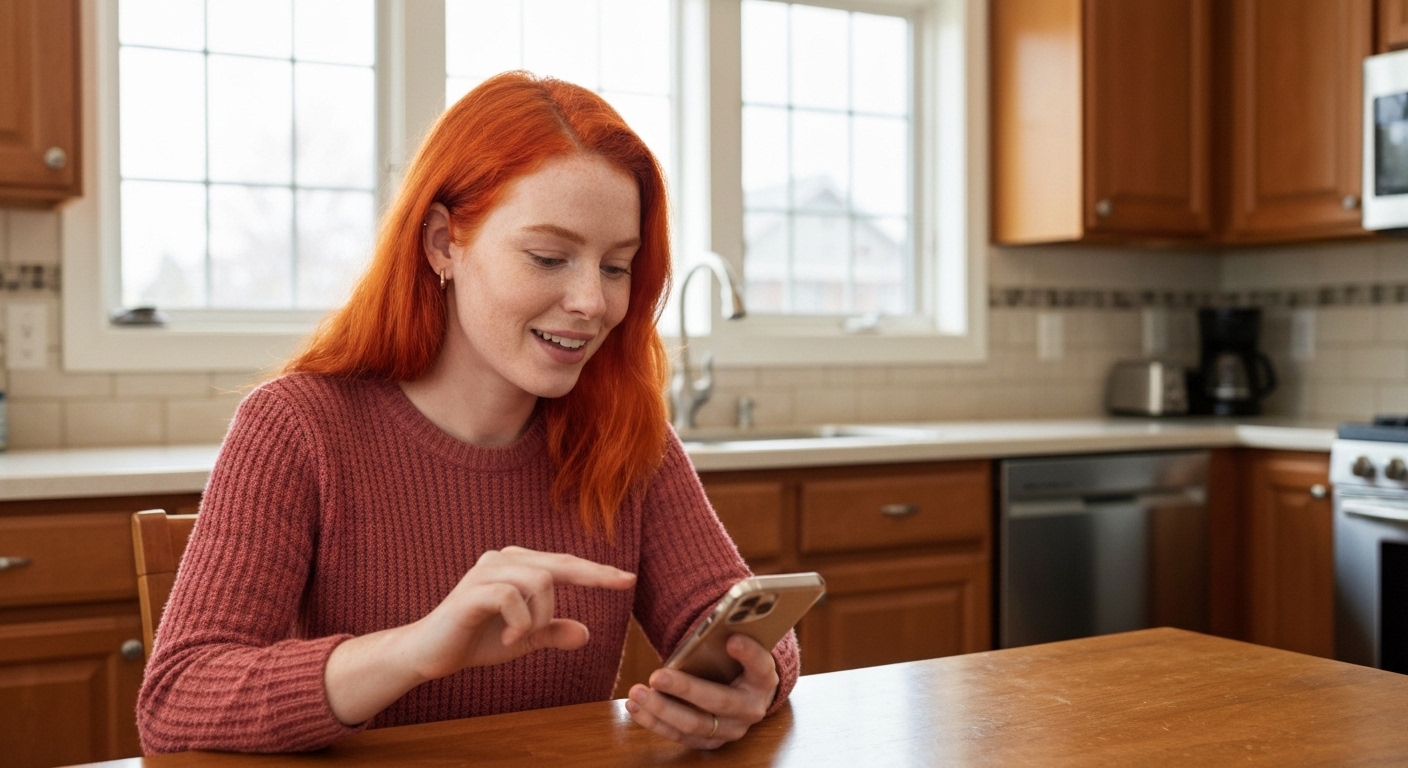
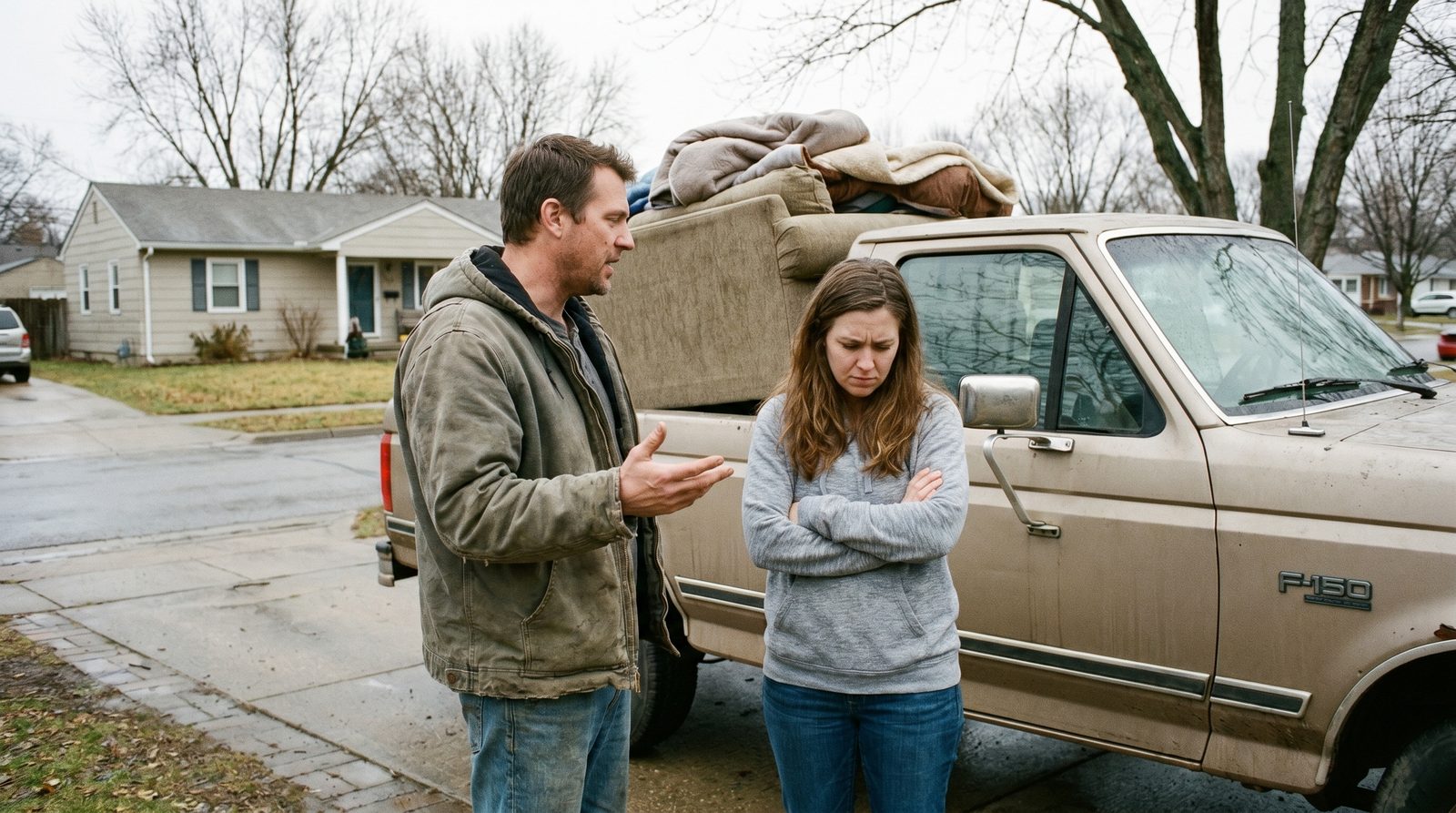
A seller lists weights for sale. Looks legit, decent photos, some activity on their profile. You message them, they respond fast. Then comes the first ask: "Just send a deposit to hold them." You do it. Then they ask for more money because they're "getting multiple offers." Then they stop responding. The address they gave you doesn't exist.
The details change, but the pattern is familiar.
Why These Scams Keep Working
The scam succeeds because the entire system is built on stranger-to-stranger trust. You can't verify if the seller is real, if the item exists, or if the address is valid, until it's too late.
Platforms like Facebook Marketplace connect buyers and sellers. Protecting yourself on a local deal is mostly up to you.
What "Send Money First" Actually Means
Any request for prepayment, for a deposit, to hold an item, because they're getting other offers, is a red flag. Once that e-transfer leaves your account, it's gone. No chargeback, no recourse, no platform support.
How Aerrand Makes Local Buying Safer
Add Aerrand Guard to a delivery and you get a protective layer between you and the seller:
- Escrow payment, your money is held securely until the item is verified and delivered
- Driver-verified inspection, a real person goes to the seller's location, checks the item against your checklist, and sends you photos before picking anything up
- No meetups, you don't have to go anywhere or meet anyone
- Payment released only after delivery, and if the inspection shows something's wrong, decline before pickup and the item price comes back to you
A Checklist Before You Engage With Any Seller
Before sending a single dollar or agreeing to meet anyone, run through this:
- Check the profile age and activity. A profile created last week with no other posts or friends is a far bigger red flag than a profile that's clearly been active for years.
- Reverse image search the photos. Stolen listing photos often show up on other marketplace sites or retailer pages once you search them.
- Insist on a video call for higher-value items. A real seller with a real item has no reason to refuse a 30-second video call showing the item in their actual home.
- Watch for urgency language. "I have three other people interested" and "I need to sell today" are pressure tactics designed to short-circuit your judgment, not genuine scarcity.
- Never accept a friend or family member as the pickup contact if you can't verify the original seller. This is a common workaround scammers use when a buyer starts asking too many questions.
What to Do If You Already Sent Money
If you've already sent an e-Transfer and suspect a scam, contact your bank immediately, file a report with the Canadian Anti-Fraud Centre, and report the listing and profile to the platform. Recovery odds are low once funds clear, which is exactly why prevention matters more than recourse here.
The Bottom Line
Safe local commerce doesn't happen by accident. It requires infrastructure. That's what Aerrand Guard™ is: the trust layer that marketplaces never built.